
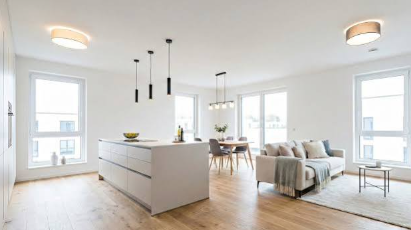
Modern renovation techniques from a home improvement center blend curated product selection with practical installation knowledge. These centers offer integrated systems, standardized components, and clear guidance to reduce guesswork and save time. Immediate upgrades emphasize energy efficiency, durable materials, and low-maintenance surfaces. Space-saving, DIY-friendly layouts provide predictable outcomes. The approach balances flexibility with control, delivering measurable improvements across projects—yet questions about specific tools, workflows, and ROI remain to be answered.
How a Home Improvement Center Unlocks Smart Renovations
Home Improvement Centers streamline smart renovations by offering integrated one-stop solutions that align product selection with installation knowledge. The center furnishes curated inventories, time-saving guidance, and standardized systems that reduce guesswork. By standardizing interfaces and support, it enables a practical workflow for smart renovation projects, reinforcing confidence in home improvement decisions while balancing flexibility and control for diverse user needs.
Energy-Efficient Upgrades You Can Start Today
Energy-efficient upgrades can be implemented immediately with practical, results-oriented steps. The focus is on measurable gains through energy efficiency and informed choices.
Smart upgrades, such as programmable thermostats, LED lighting, and sealing gaps, reduce consumption without sacrificing comfort.
Crafting a plan emphasizes value, return on investment, and reliability, guiding homeowners toward scalable, affordable improvements within reach today.
Durable Surfaces and Low-Maintenance Materials Worth It
Durable surfaces and low-maintenance materials offer a practical balance between longevity and upkeep in modern renovations.
The approach favors durable surfaces and low maintenance materials that resist wear, simplify upkeep, and reduce downtime.
Smart renovations emphasize reliable selections, energy efficient upgrades, space saving layouts, and diy friendly methods, enabling flexible, confident choices without sacrificing performance or aesthetics.
Space-Saving Layouts and DIY-Friendly Methods for Fast Wins
Space-saving layouts and DIY-friendly methods deliver rapid, practical wins by reorganizing existing footprints and simplifying installation.
The approach emphasizes modular fixtures, wall-mounted solutions, and compact storage that preserve flow while reducing disruption.
Emphasis on space saving, diy friendly options enables homeowners to execute measurements and assembly with minimal tools, clear instructions, and predictable results, promoting confident, flexible living spaces.
See also: Planning Better Spaces With a Home Improvement Center
Frequently Asked Questions
What Are the Hidden Costs of Professional Installation?
Hidden costs include removal, disposal, permits, and warranty exclusions; contract pitfalls encompass scope ambiguity, change-order practices, payment schedules, and timing penalties. The analysis emphasizes careful budgeting, documented specifications, and clear, enforceable terms to maintain financial freedom.
How Do I Choose the Right Contractor for Renovations?
Prospective clients should follow best practices and heed red flags; the right contractor is transparent, licensed, experienced, and communicative, delivering detailed plans and written estimates, while avoiding aggressive upsells, vague timelines, or unexplained substitutions in the renovation process.
Can Renovations Affect Home Insurance Coverage or Rates?
Renovations can affect home insurance: coverage may change and premiums could rise or shield when proper upgrades are documented. The message notes renovation insurance considerations and premium impact, emphasizing risk reduction, contractor compliance, and updated valuation for accurate policy terms.
What Permits Are Required for Common Renovation Projects?
Permits vary by project, jurisdiction, and scope; many common renovations require building permits, electrical, plumbing, or mechanical approvals, plus inspections. The answer highlights permitting pitfalls and zoning variances, guiding decisions toward compliant, freedom-supporting execution.
How Long Does a Typical Renovation Project Actually Take?
A typical renovation project lasts varies, but the answer for how long depends on scope; a practical renovation timeline spans weeks to months, accounting for hidden costs and professional installation. Deliberate planning improves accuracy and reduces unexpected delays.
Conclusion
Modern renovation centers integrate products and guidance to streamline projects, delivering measurable results with less guesswork. A notable stat: programmable thermostats alone can cut heating and cooling costs by up to 10-15 percent annually, underscoring ROI and reliability. The approach emphasizes energy-smart upgrades, durable, low-maintenance materials, and space-saving, DIY-friendly layouts that yield fast wins. In sum, practical, modular systems empower homeowners to plan, execute, and track improvements with confidence and tangible cost benefits.
