
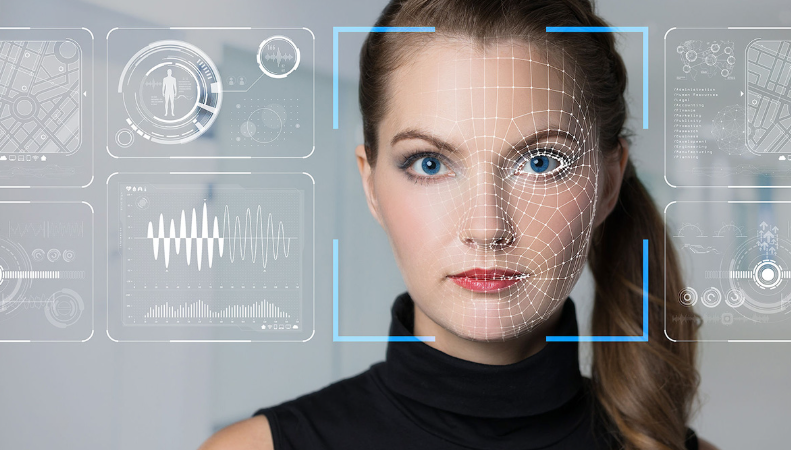
Facial recognition technology already operates quietly in everyday settings, from unlocking devices to validating payments and monitoring public spaces. Its efficiency improves service speed and security for some, but it also intensifies surveillance and data collection without always explicit consent. Accuracy varies, and bias remains a concern. Governance and safeguards are often fragmentary, leaving questions about accountability and redress. The balance between convenience, innovation, and civil liberties hangs in the balance, inviting careful scrutiny of future developments.
How Facial Recognition Is Used in Daily Life
Facial recognition is increasingly integrated into everyday routines, from unlocking smartphones to authenticating payments and surveilling public spaces. In daily life, its deployment raises privacy concerns, as indicators of identity may be captured without explicit consent.
Critics emphasize identification accuracy, noting errors can misidentify individuals and propagate invasive surveillance, chilling behavior and eroding autonomy despite claimed convenience and efficiency.
See also: Modern Renovation Techniques From a Home Improvement Center
Benefits and Opportunities for Individuals and Businesses
One clear benefit for individuals and businesses is enhanced efficiency in routine transactions and operations, as facial recognition can streamline authentication, reduce friction, and accelerate service delivery.
Yet efficiency must be weighed against privacy rights and ethical implications, with vigilance over data handling, consent, and transparency.
Proponents emphasize productivity, while critics demand safeguards, accountability, and clear boundaries to preserve freedom.
Risks, Bias, and Privacy Considerations
The deployment of facial recognition systems raises significant concerns about risks, bias, and privacy that demand careful scrutiny.
Critics emphasize privacy concerns and the need for robust data governance to prevent misuse.
While benefits exist, transparency and accountability remain essential.
Systems must be evaluated for disparate impact, consent, and governance structures to protect civil liberties and public trust without stifling innovation.
Navigating Policy, Adoption, and Practice Moving Forward
Policy, adoption, and practice moving forward require a sober appraisal of how governance, industry standards, and on-the-ground usage will align with public expectations.
The analysis examines privacy governance and ethical deployment, challenging promoters to disclose safeguards, accountability, and redress.
Cautious progress hinges on transparent metrics, independent oversight, and clear limits, ensuring safety without stifling beneficial innovation or freedom of expression.
Frequently Asked Questions
How Accurate Is Facial Recognition in Real-World Crowded Settings?
In real-world crowded settings, accuracy varies and tends to decline with occlusions and lighting; overall rates remain uncertain. The discussion centers on privacy implications and bias mitigation, urging cautious evaluation while preserving civil liberties and freedom.
Can Facial Recognition Be Used for Consent-Based Tracking?
Consent-based tracking is technically possible but raises significant privacy implications; safeguards are essential. The analysis remains cautious: it may enable granular surveillance, requires robust consent mechanisms, transparent disclosure, and strict data minimization to preserve freedoms.
What Are Alternative Identity Verification Methods?
Could any alternative provide equal assurance? The discussion notes privacy preserving alternatives and biometric data security, emphasizing methods like hardware tokens, multi-factor prompts, and cryptographic attestations; these approaches aim to minimize identity exposure while preserving user autonomy and freedom.
How Do Facial Recognition Laws Apply to Private Sector Employers?
Private sector employers must comply with applicable laws on facial recognition, including transparency requirements and limited data use; privacy policy and data ownership concerns frame implementation, while a cautious, factual stance protects individual freedoms within employment choices.
What Are the Environmental and Energy Costs of These Systems?
The environmental impact and energy consumption of facial recognition systems are substantial, with data centers and constant camera networks demanding significant power, cooling, and materials. Critics warn of hidden costs, urging transparency, efficiency, and robust regulatory oversight to protect freedoms.
Conclusion
As facial recognition integrates into daily systems, its benefits—speed, convenience, and security—are weighed against enduring privacy and civil liberties concerns. A striking statistic underscores the tension: error rates for some commercial systems can reach up to 20% on diverse populations, risking misidentification and unequal treatment. Without robust governance, transparent oversight, and accountable redress, adoption risks eroding autonomy while generating incremental gains in efficiency. Caution, rigorous testing, and principled safeguards remain indispensable as deployment expands.
